

Curio Research Quarterly Vol. 33
It’s officially summer here at Curio Research headquarters, and I’m taking advantage by writing this newsletter from our sunny porch so I can take in the beautiful Pacific Northwest weather while I can. All the while, duty calls. Let’s start with work.
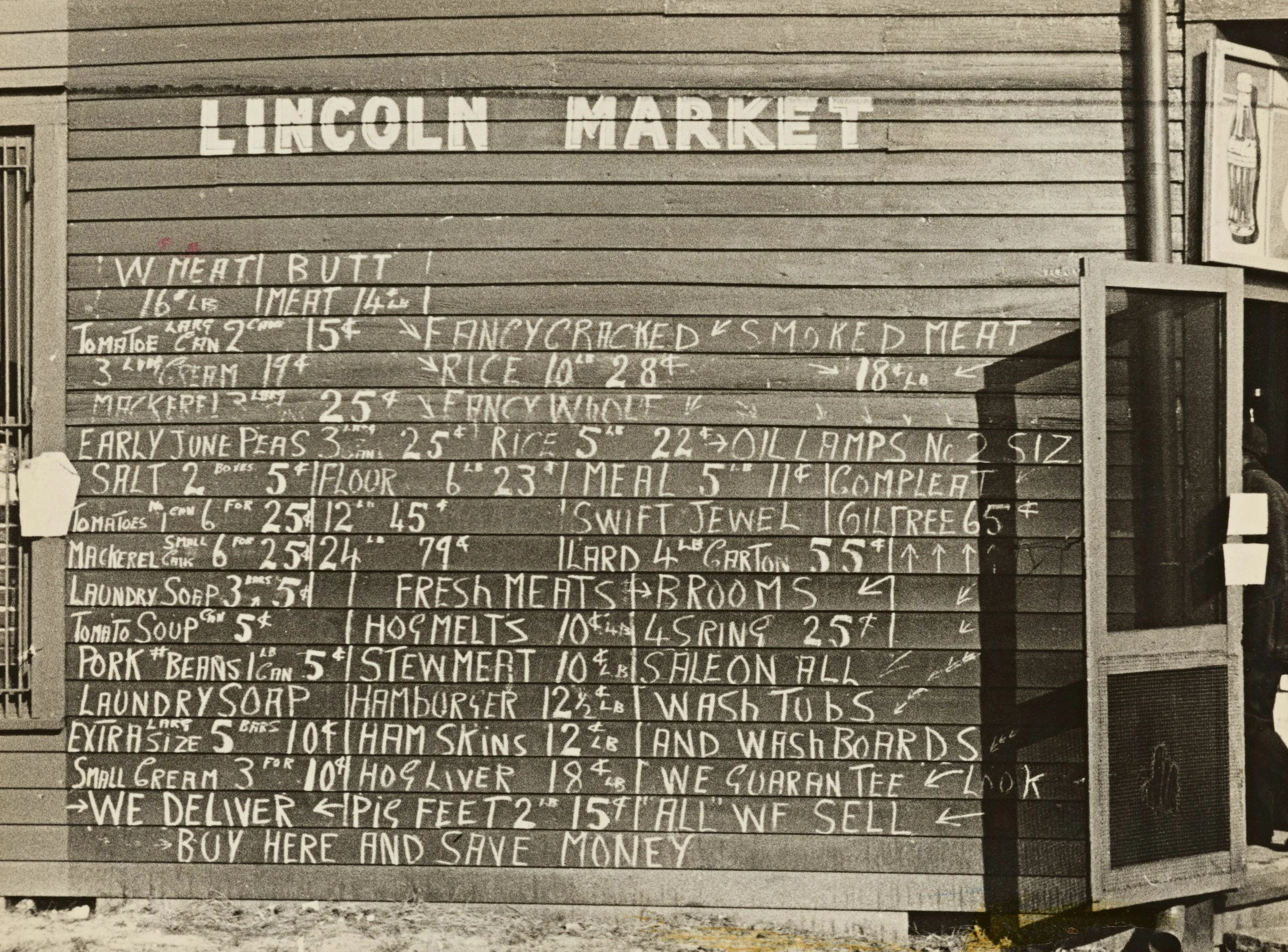
The Premium Price Paradox: Why Your Sustainable Product's Price Tag Is Driving Shoppers Away (And How to Fix It)
You've done everything right. You've sourced sustainable materials, invested in eco-friendly production processes, earned credible certifications, and created a product that's genuinely better for the planet. You've priced it to reflect the true cost of doing business responsibly.
And yet... it's not selling like you'd hoped.

Curio Research Quarterly Vol. 32
If you didn’t know, April is Earth Month, and here at Curio Research, we make a point of celebrating by renewing our 1% for the Planet commitment, going outside to enjoy the cherry blossoms, and volunteering with a conservation organization. How do you plan to celebrate Earth Month or Earth Day?

Why Your Green Tech Dashboard Isn't Being Used (And How User Research Can Fix It)
You've invested months building a sophisticated sustainability analytics dashboard. It tracks carbon emissions across facilities, visualizes energy consumption patterns, benchmarks performance against industry standards, and generates comprehensive reports with a single click. By all accounts, it's an impressive piece of technology… So why are your login metrics so disappointing?

Breaking Through Greenwashing Skepticism: Using Consumer Research to Build Authentic Sustainability Credentials
In today's marketplace, "green" is everywhere. From carbon-neutral shipping to eco-friendly packaging, sustainability claims have become ubiquitous. But there's a problem: consumers are growing increasingly skeptical.

The Premium Price Paradox: Why Consumers Say They'll Pay More (But Don't)
You've invested in sustainable sourcing. You've redesigned packaging to minimize environmental impact. You've achieved certifications that validate your commitment to the planet. And yet, when your eco-friendly product sits on the shelf at a 20% premium, shoppers reach for the conventional alternative.
Welcome to the premium price paradox.
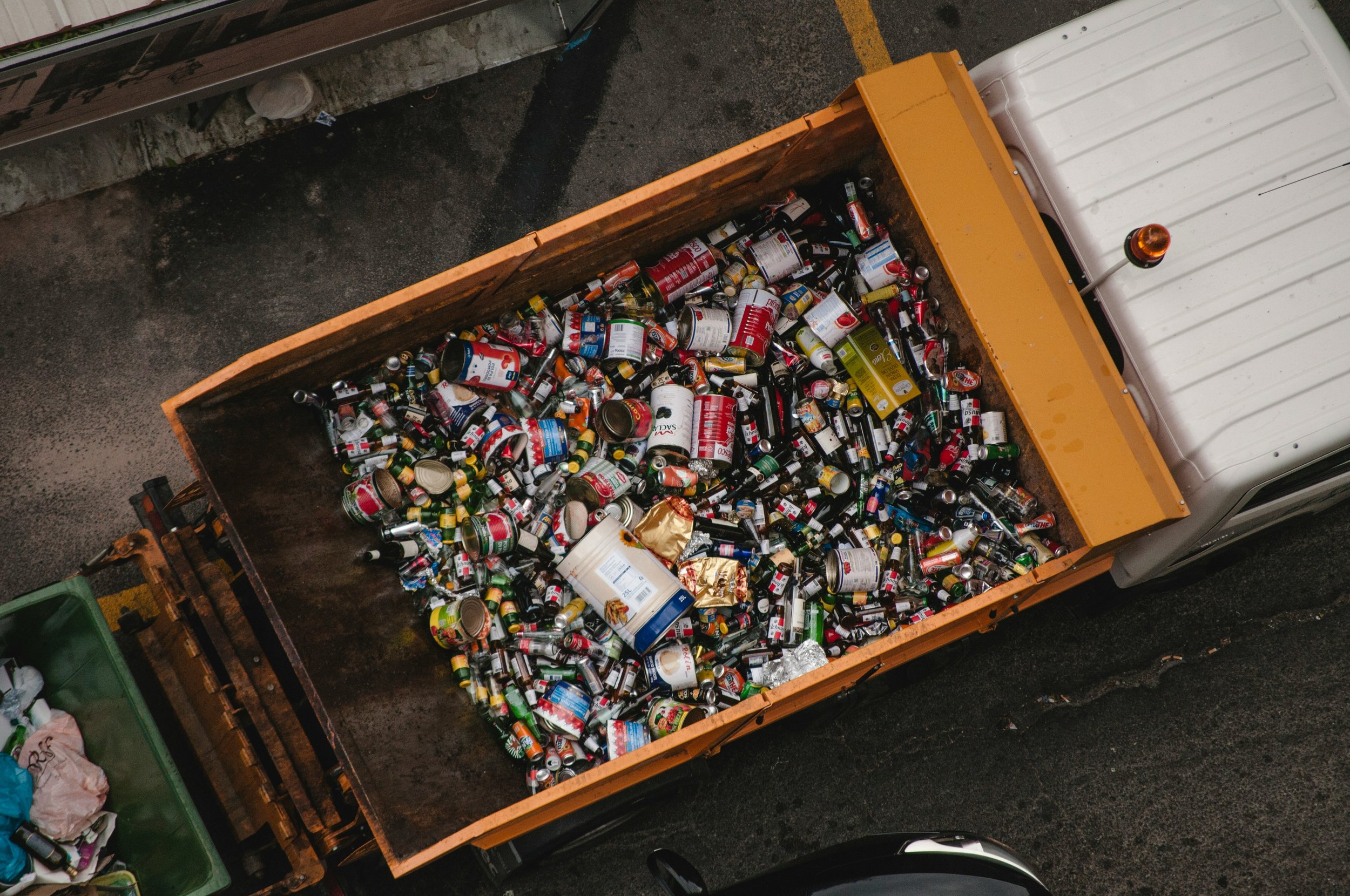
Finding the Sweet Spot: Balancing Simplicity and Power in Waste Reduction Software
If you're managing a waste reduction software product, you've likely encountered this familiar tension: your power users are clamoring for advanced analytics and granular controls, while new users struggle to complete even basic tasks. Meanwhile, your product roadmap is overflowing with feature requests, and every stakeholder has a different opinion on what matters most.

Beyond What They Say: Using Neuromarketing to Crack the Green Packaging Code
Consumers will wax poetic about reducing plastic waste and supporting brands with strong environmental values. But then you watch them in the store aisle, and they reach for... the conventional product in the brightly colored plastic bottle.
What's happening here? It's the classic say-do gap, and it's one of the biggest challenges facing CPG brands trying to crack the green packaging code. This is precisely where neuromarketing research becomes invaluable.

Curio Research Quarterly Vol. 31
Happy New Year, Curio Fans! I hope you enjoyed your holidays. I’d like to start by expressing gratitude to all of the clients I worked with in 2025.

Communicating Sustainability Across Omnichannel Touchpoints for CPG Brands
Today's eco-conscious consumers are simultaneously online and offline, comparing notes, researching ingredients, and seeking brands that genuinely walk the sustainability talk. Fragmented messaging can quickly erode brand trust.

Growing Beyond Screens: Multimodal UX Design for Urban Farming Innovation
Urban farming is experiencing a technological renaissance, transforming how city dwellers connect with food production. But as creators of smart gardening solutions, we face a unique challenge: how do we design technologies that feel natural, intuitive, and seamlessly integrated into the complex ecosystem of urban growing?

Curio Research Quarterly Vol. 30
Greetings Curio readers. Fall is here, and that means you can kick back and not rake your leaves. Save that yard work energy and channel it towards International E-Waste Day on October 14th. Gather up all your old charging cables, small appliances, tech accessories, and batteries, and make a trip to your local recycling center that handles electronic materials. Don’t send those precious materials to the garbage dump; give them a new life as components in a new and improved device.

Trust Marks: How Environmental Certifications Shape Consumer Perceptions
In today's eco-conscious marketplace, sustainability certifications are more than just fancy stickers - they're powerful trust signals that can make or break a brand's connection with environmentally aware consumers. But not all certifications are created equal, and understanding their true impact requires nuanced market research.

Designing with Purpose: Ethical Considerations for Circular Economy Products
Creating products for the circular economy isn't just about closing material loops and reducing waste. It's about fundamentally rethinking our relationship with consumption, resources, and each other. As green tech product owners, you're at the forefront of this revolution – but navigating the ethical dimensions of circular design requires careful consideration and a deep understanding of user perspectives.
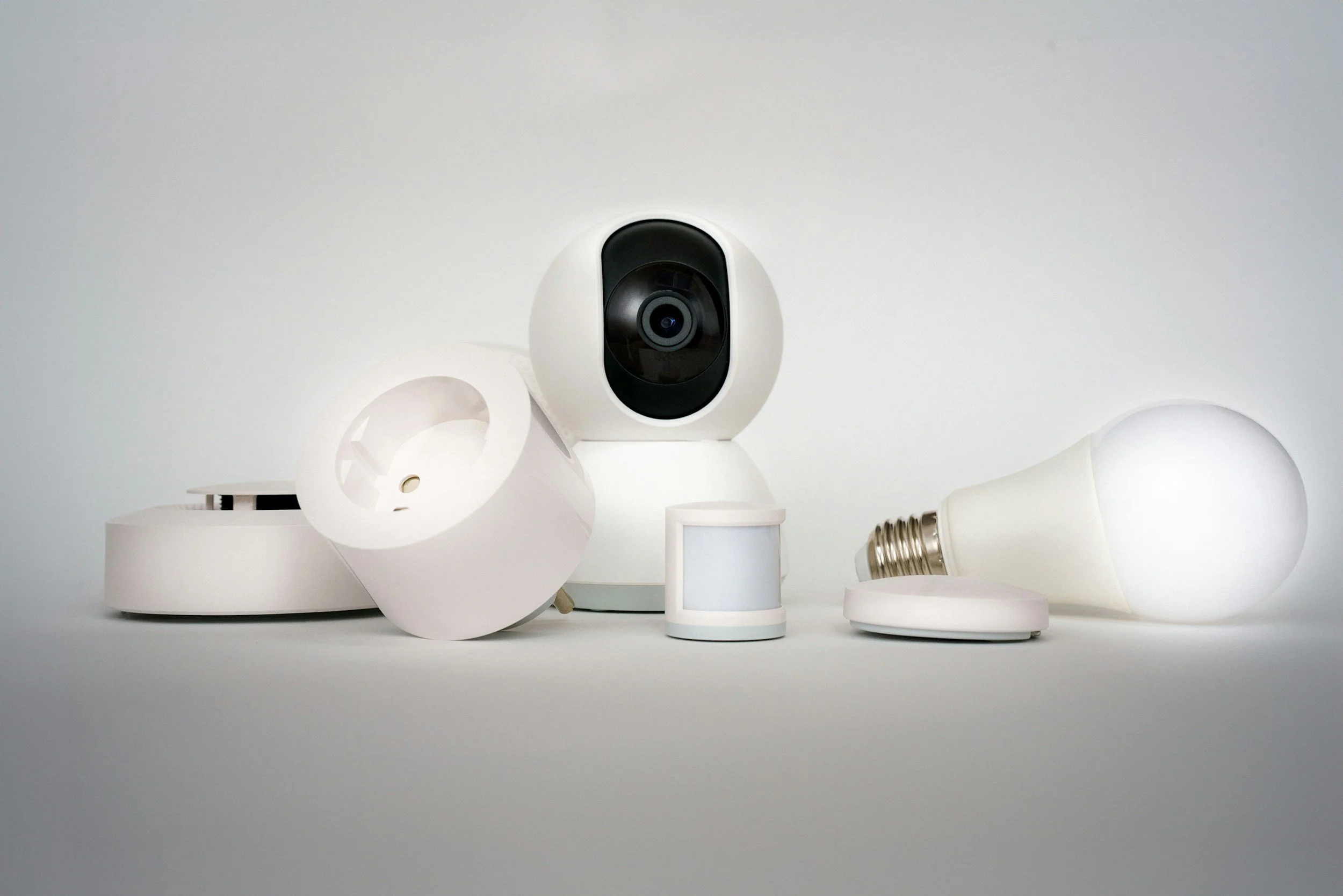
Navigate the Green Smart Home Revolution: A Guide to Competitive Analysis
The green home automation market is experiencing explosive growth as consumers seek ways to reduce their carbon footprint while enhancing comfort and convenience. For marketers in this space, understanding the competitive landscape is crucial for identifying opportunities, differentiating offerings, and capturing market share.

Cleaning Up the Future: Sustainable Household Trends to Watch
The green cleaning revolution is in full swing. As consumers become increasingly conscious of their environmental impact, demand for sustainable household products is surging. In fact, the global green cleaning products market is projected to reach $11.22 billion by 2027, growing at a CAGR of 11.2% from 2020.
So, how can sustainable CPG brands tap into this lucrative market opportunity?

Structuring Success: Creating Clear Paths in Carbon Footprint Calculators
As creators of environmental footprint calculators, you’re tasked with turning complex carbon calculations and sustainability metrics into digestible, actionable insights. But here's the challenge: you need to balance scientific accuracy with user-friendly navigation, all while maintaining engagement through what can be a data-heavy process.

From Insight to Impact: Using Consumer Research to Drive Sustainable Behavior Change
Creating sustainable products is only half the battle. The real challenge? Getting consumers to embrace eco-friendly behaviors and make lasting changes to their daily routines. By understanding the psychology behind sustainable choices, marketers can develop more effective strategies to drive meaningful behavioral change.

Power to the People: How Consumer Co-Creation Drives Sustainable CPG Innovation
Consumer co-creation isn't just a buzzword - it's a powerful approach that can lead to breakthrough sustainable innovations while building brand loyalty and community engagement. Let's explore how your brand can harness the collective creativity of eco-conscious consumers.
Curio Research Quarterly Vol. 29
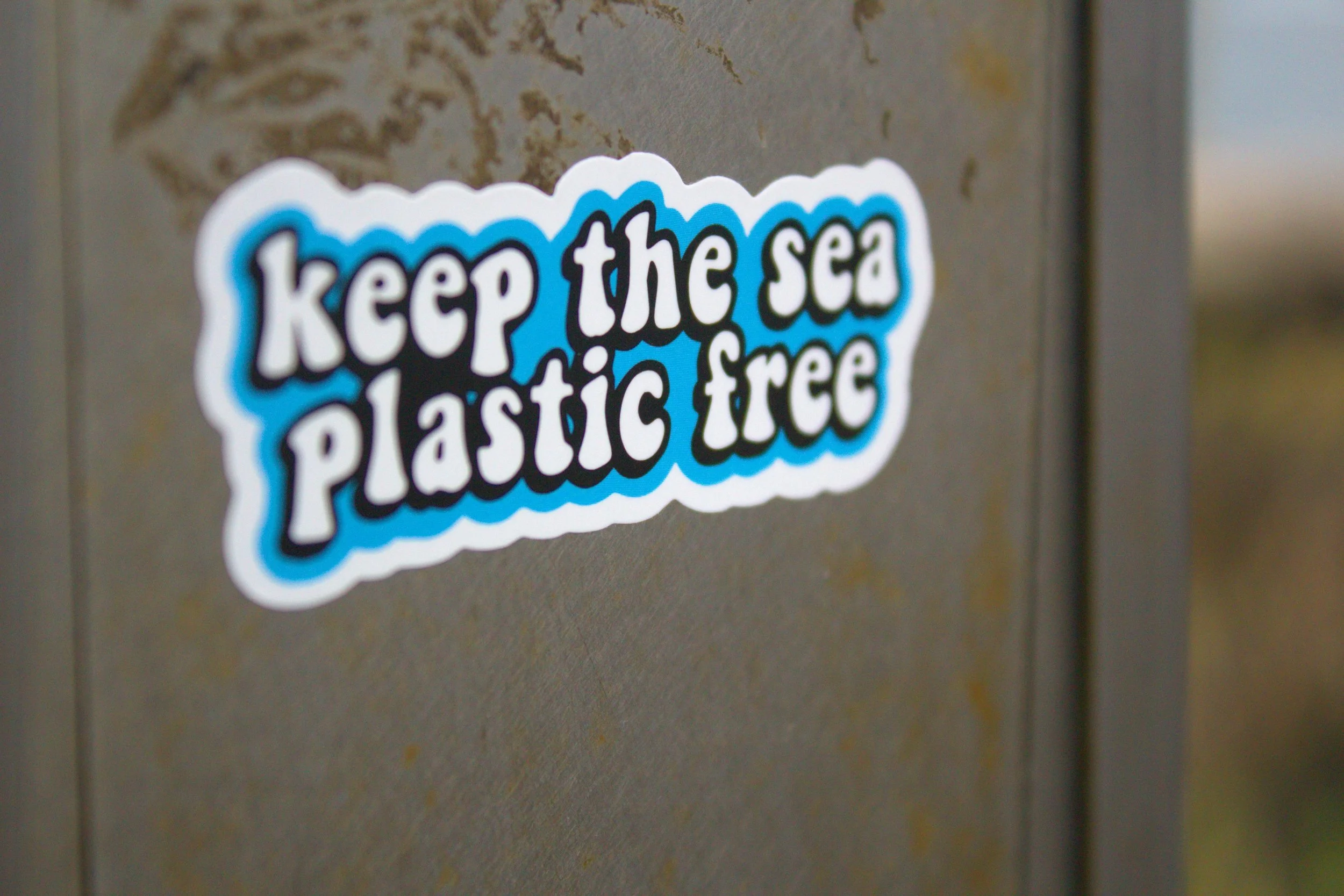
Hey Curio Peeps. Happy Plastic Free July! Our reliance on single-use disposable plastics has caused a pollution crisis. There’s a mass of tangled plastic in the Pacific Ocean that was twice the size of Texas in 2018. Microplastics are everywhere, including our bloodstreams, which may increase our risk of heart disease among other ailments. But you can turn the tide. Recycling is okay, but you know what would be even better? Opting out of using plastics in the first place.